
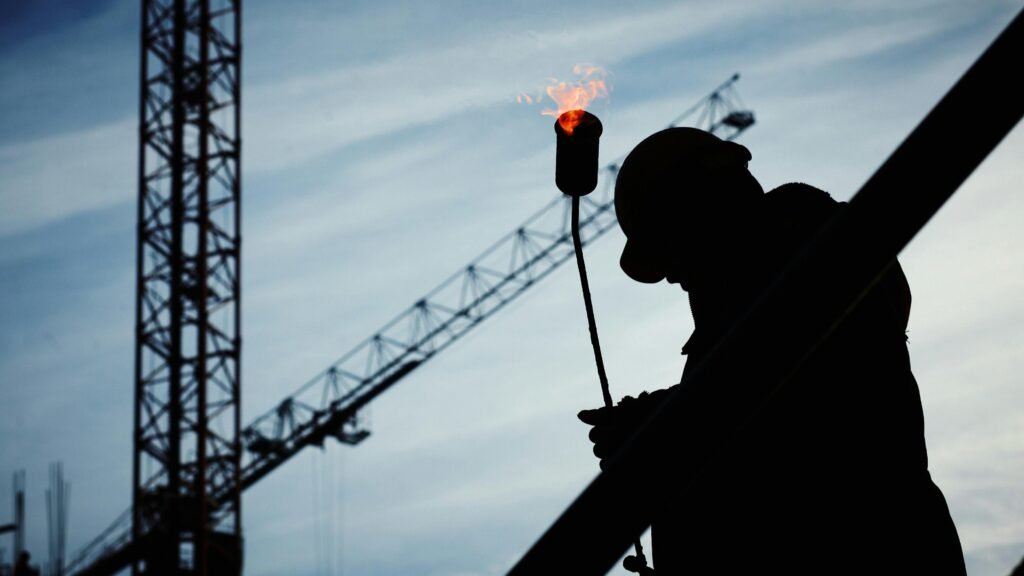
Walk through any developing area in Dubai these days and you’ll hear them before you see them. The beep-beep of reversing trucks, the rumble of compactors, the metallic clang of dropped pipes. Construction equipment has become the background music of the emirate’s transformation. And just a short drive away, Sharjah’s industrial zones tell a similar story through different sounds – the hum of factory machinery, the hiss of hydraulic presses, the heavy thud of steel being shaped.
The equipment moving earth and lifting materials across these two emirates isn’t just machinery. It’s the physical proof of where money is flowing and what comes next.
The Numbers Driving the Noise
Dubai’s population keeps climbing. Projections put it past 4 million by 2026. That’s not just more people using roads and filling apartments. Every new resident needs a place to live, places to work, places to shop. They create demand that shows up first as construction sites.
But population alone doesn’t tell the full story. The Dubai 2040 Urban Master Plan is actively reshaping how the city grows. Instead of endless sprawl, the focus is on mixed-use districts where people can live, work, and find entertainment without hour-long commutes. The 20-minute city concept isn’t just urban planning jargon here. It’s changing which areas get developed and what gets built.
Dubai South, Dubai Creek Harbour, and Expo City are seeing major activity. Metro expansions like the Blue Line are going in. Airport development continues. All of this requires equipment before it becomes usable space for people.
What’s Actually Growing
The construction equipment market across the UAE is growing at a compound annual rate of 5.64 percent, heading toward 55.81 billion dollars by 2031. Those numbers come from somewhere real. Residential units alone are projected to hit 313,700 by 2028. That’s hundreds of thousands of bathrooms, kitchens, windows, and foundations before anyone moves in.
But housing is just one piece. Ports are expanding. Warehouses are going up across logistics zones. Oil and gas infrastructure continues to need attention with LNG plants and offshore maintenance work. The earthmoving and material handling segments specifically are growing at 6.04 percent CAGR. That means more excavators, more loaders, more forklifts moving through gates and onto sites.
Real estate development drives part of this. But energy and utilities, manufacturing lines, and logistics hubs all contribute to the equipment count.
Where Equipment Fits In
Different projects need different iron. High-rise construction in Dubai Marina or Business Bay demands tower cranes that can lift heavy loads dozens of stories. The taller the building goes, the more those cranes matter. Without them, nothing gets off the ground floor.
Site preparation needs bulldozers pushing earth, compactors making ground stable enough to build on, graders creating precise levels for foundations and roads. Before the first concrete truck arrives, dirt movers have already spent weeks on most sites.
Once structures go up, forklifts take over. Moving materials around sites, loading and unloading trucks, getting supplies where workers need them. A single large project might have dozens of forklifts operating daily.
Sharjah’s factories need different equipment. Overhead cranes in fabrication shops moving steel plates. Specialized handling equipment for moving finished products. Forklifts in warehouses loading trucks headed to ports or across the border into other emirates.
The rental market for this equipment is substantial. Many companies rent rather than buy, especially for shorter projects or specialized machinery they don’t need year-round. Oil and gas rentals focus on dynamic projects where equipment needs change as wells and facilities move through different phases.
What This Means Day to Day
For companies in the equipment business, the next few years look busy. More projects mean more machines rented and sold. Maintenance and repair work stays steady because equipment running every day needs attention. Parts supply becomes critical when downtime costs thousands per hour.
Operators with heavy equipment certifications stay employed. Companies looking for experienced drivers, riggers, and site supervisors keep hiring. The skills gap that shows up in growing markets means trained people become valuable.
Sharjah’s industrial growth also creates demand for equipment used in making other equipment. Machine tools, presses, fabrication gear. When a region starts manufacturing rather than just assembling or distributing, the machinery mix shifts toward production equipment.
Looking at What’s Coming
The equipment moving across Dubai and Sharjah’s construction sites and factories tells a straightforward story. Population drives housing needs. Urban plans shape where development happens. Industrial investment creates manufacturing capacity. All of it requires machines that dig, lift, move, and shape.
The noise of equipment won’t quiet down anytime soon. Too many projects are underway and too many are planned. For now, the beeps and rumbles just mean things keep moving forward.