
The call comes on a Sunday morning. A project manager needs an excavator on site by Tuesday. Not any excavator-one with the latest emissions controls because the client’s sustainability requirements just landed in the inbox. Buying one would take months, clear capital, and commit the company to a machine it might not need after this job.
This scenario plays out across Dubai and the wider UAE every week. And the response more often than not involves picking up the phone to an equipment rental company.
Tech Without the Wait
Construction equipment moves fast these days. Cranes come with telematics systems that track usage, location, and maintenance needs in real time. Excavators run on electric power or hybrid systems that cut emissions and fuel costs. Some machines practically drive themselves with GPS-guided grading and precision controls.
Buying this kind of gear means placing an order and waiting. Months sometimes. By the time the machine arrives, the job it was meant for might be halfway done or the specifications might have changed.
Rental fleets carry the latest models. Suppliers refresh their inventory regularly to stay competitive. When a contractor rents, they get whatever is current right now. Not last year’s model. Not something that will need upgrades to meet regulations. Just a machine that shows up ready to work and compliant with whatever standards apply.
UAE safety regulations keep evolving. Green building mandates push for low-emission equipment on certain projects. Rental companies handle the compliance side. They make sure the machines meet requirements so contractors don’t have to study every rule change or worry about getting flagged on site.
The Money Angle
Here’s where it gets interesting for anyone running a construction business. Renting typically costs 30 to 50 percent less than buying. That’s not a small difference. On a fleet of heavy equipment, those percentages turn into serious cash.
Think about what happens when a company buys. The machine sits on the books as an asset that starts losing value the moment it leaves the lot. Construction equipment depreciates. Sometimes quickly. If project timelines shift or expected work doesn’t materialize, that asset becomes a problem. Selling it takes time and usually means taking a hit on price.
Renting avoids all of that. No capital tied up in iron that’s losing value. No worrying about resale markets or finding buyers for specialized machines. When the job ends, the equipment goes back. The balance sheet stays clean.
What Ownership Actually Costs
Purchase price is just the beginning. Owned equipment needs insurance. Premiums add up, especially for high-value machinery. Maintenance is another ongoing expense. In harsh desert conditions, equipment takes a beating. Dust gets into everything. Heat stresses engines and hydraulics. Breakdowns happen, and when they do, downtime costs money while repairs add more.
Then there’s storage. Equipment sitting between jobs needs a place to park. Secure yards cost money. Moving machines between sites requires transport. If a machine sits idle during slow periods, it’s still costing something every day.
Rental agreements bundle all of this into one predictable payment. Insurance is covered. Maintenance belongs to the rental company. If a machine breaks down, they deal with it. Often they’ll swap in a replacement to keep the job moving. The contractor just keeps working.
Protection From Problems
Theft happens. Equipment disappears from sites despite security measures. With owned machines, that’s a total loss minus whatever insurance pays. Rental equipment gets replaced. The contractor isn’t holding the bag for a stolen excavator.
Regulatory fines present another risk. Outdated equipment might not meet current emission standards or safety requirements. Inspectors notice. Fines follow. Rental companies keep fleets compliant because it’s their business. Contractors renting from them benefit without doing extra work.
Idle equipment during off-seasons becomes someone else’s problem. Construction in the UAE has rhythms. Hot summer months might see slower activity. Project delays happen. Contracts get pushed. With owned machines, those idle periods still cost money. With rentals, companies simply return what they don’t need and stop paying.
Flexibility for Real Projects
Construction work rarely follows a perfect schedule. One job finishes early. Another stretches longer than expected. A bid comes through for something completely different than what the company usually does.
Rental lets contractors match equipment to actual work, not forecasts. Scaling up for a big job means renting more machines. Scaling down afterward means sending them back. No sitting on equipment hoping the next project needs the same things.
This matters especially for contractors working across different types of projects. A high-rise in Dubai Marina needs tower cranes and concrete pumps. A port expansion requires different gear-reach stackers, heavy lift cranes, specialized handling equipment. A factory job in Sharjah’s industrial zones might need forklifts and material handlers. Renting lets companies bid on all of it without owning everything.
The Numbers Behind the Trend
The UAE construction equipment rental market reflects this shift. More contractors rent than ever before. The math works too consistently to ignore. Projects keep coming, timelines stay tight, and capital is always better used winning new work than sitting in parked machines.
For smaller contractors, rental levels the playing field. They can access the same equipment as larger competitors without the same capital requirements. A company with five employees can rent a crane capable of lifting whatever the job needs. They’re not limited by what they can afford to buy.
Larger contractors use rental for different reasons. They might own core fleets but rent specialized machines for specific jobs. Or they might rent during peak periods when their owned equipment is fully utilized. The combination lets them handle more work without owning more machines.
What Shows Up on Site
Walk through any active construction zone in the UAE and rental equipment is everywhere. The stickers and logos give it away-different rental companies’ machines working alongside privately owned gear. Cranes with telemetry antennas, excavators with low-emission decals, forklifts that look almost new despite heavy use.
The equipment performs exactly like owned machines because they’re the same models. The only difference is who holds the title and who handles the paperwork.
Contractors on site don’t care about ownership. They care about having the right machine when they need it, working properly, and not causing delays. Rental delivers that consistently.
The Real-World Choice
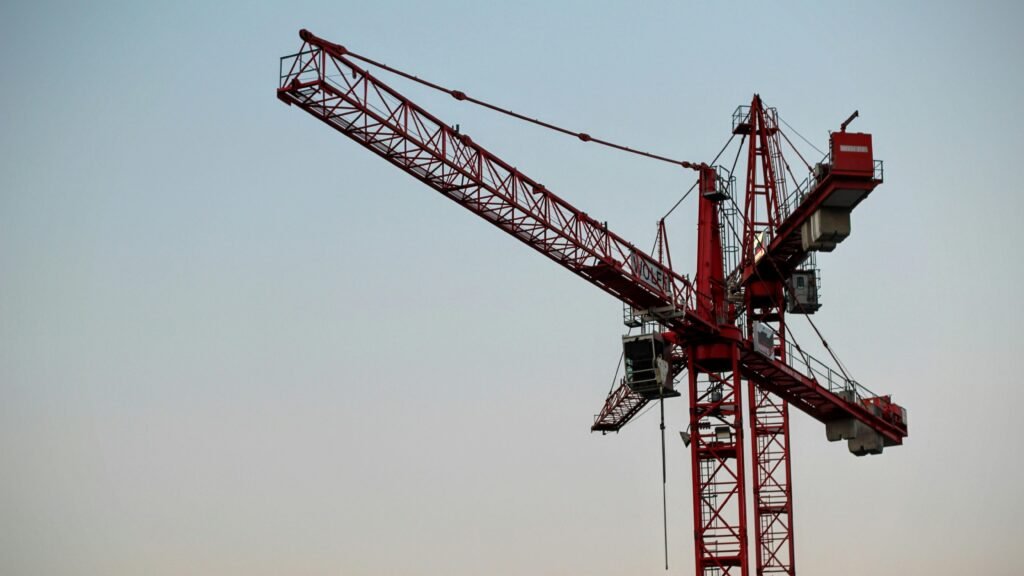
A contractor bidding on a 18-month tower project faces a decision. Buy a tower crane for maybe 1.2 million dirhams or rent one for monthly payments that fit the project timeline. Buying means the crane sits somewhere after this job, hopefully working again soon. Renting means the crane leaves when the job ends and the contractor moves on without baggage.
Most choose rental. Not because they can’t afford to buy but because the math works better. Money not spent on equipment stays available for bonds, for bidding on more projects, for covering payroll during slow periods. Cash flow matters more than ownership in a business where projects come and go.
The same logic applies to smaller gear. Forklifts, telehandlers, boom lifts-rental makes sense across the board. Why own something that spends half its life parked when you can rent it only for the days it actually works?
Looking Ahead
As UAE construction keeps growing, rental will keep growing with it. More projects mean more equipment needs. But contractors have learned the lessons of previous cycles. Buying everything feels good when work is plentiful. It hurts when work slows.
Rental companies continue upgrading fleets, adding newer tech, retiring older machines. Contractors benefit from that cycle without funding it. They just pick up the phone, get what they need, and send it back when done.
The model works because it matches how construction actually operates. Irregular timelines, varied project types, changing specifications. Rental adapts to all of it. Ownership demands that projects adapt to the equipment instead.
For anyone running a contracting business in the UAE, the question isn’t really whether to rent or buy. It’s which projects justify owning and which make more sense as rentals. For most jobs, most of the time, the answer points toward rental.